I've spent the last two weeks ADing my good friends CP2 project entitled R.O.B. During that time ADing a few things have happened.
-I was told to shut the fuck up
-My close friends flipped out on me for pushing them.
-We wrapped early every day of shooting so far.
For those who don't know AD stands for assistant director. It is their job to make sure that everything gets done on time, even if it means making a few enemies in the process. If being the producer on set is like being the mom on a car trip; making sure everyone is happy and has everything they need, then being the AD is like being the dad; getting things done quickly and efficiently as possible even if it means raising your voice and making a few people unhappy.
Here are a few tips on how to be a good AD
1. Manage in ample time, but don't give it to them.
When making up the shot list be sure to allow enough time for each shot to be set up and have a few run throughs, 15 minutes usually works well. However when on set, don't give them that much time. You should push them to get what needs to be done be the best in can be in as little time as possible. This leads to the next tip
2. Don't let them know if you're on time
If things are going well, as they are likely too, you may get ahead of schedule. It is very important that no one else besides you and the producer know about this. If the director or DP know how ahead they are then they'll spend too much time worrying about tiny details which will quickly back up and slow down shooting time. Use the extra time at the end of the days shoot for pickups and anything extra that might be needed.
3. Be an asshole, but not too much of one.
Last semester I was 2nd ADing a shoot and had to fill in for the AD on the last day. At first I was friendly and submissive, allowing more time than needed and asking to move on instead of demanding. The director and DP kindly asked and suggested that I be more assertive and demanding. When you're ADing it is your job to make sure things stay on track and what needs to get done gets done. It is important to keep on the director and DP so they will accomplish everything set for that shoot. It is very likely that the crew will get annoyed with you, this however means that you are doing your job. As something that is only said on reality shows says "you're not here to make friends." It is important however to respect the directors vision and not shoot down everything they want to do. Allow them more time on things if you're doing really well, just don't let them know how well you are doing.
Showing posts with label producer. Show all posts
Showing posts with label producer. Show all posts
Friday, October 24, 2014


Monday, October 13, 2014
Director of Photography-ing(?) FOR DUMMIES
Oh hello there. Didn't see you there. No, don't go! As long as I have you here, we have a very important matter to discuss. For centuries (or at least for a little while), there has been a daunting question on people's minds. What exactly does a Director of Photography (or cinematographer) do for a film production? Hmph, that's certainly a tough question. Let's go to the expert to try to find an answer to this inquiry.

 Obviously, we start with preproduction. Duh. The DP begins his/her job with discussing the director's vision for the overall film as well as scene by scene. Based on what the director is looking for, the DP determines what exactly is needed for each scene, and, following that, hires a camera crew and organizes and purchases any equipment and supplies that will be needed. When deciding what's needed for each scene, the DP works with many other departments--including sound and lighting--to coordinate production needs. In summary, the DP uses his preproduction time very wisely. He pretty much plans out every shot and gets any and all the tools he'll need to acquire these shots.

...
What's up, guys?! You know me. I'm that guy. From that thing. You know, that thing? No? Ah well, might as well just give you what you came here for. So you want to know what a director of photography does, huh? Well you're in luck! It's time for this week's "...FOR DUMMIES!"
Like quite a few other crew positions (Producer, Director, etc.) the director of photography's (or DP for short) job stretches out over all three stages of production: preproduction, production, and postproduction. They really don't get any sleep, but who needs sleep?! Let me break it down for you.
 Obviously, we start with preproduction. Duh. The DP begins his/her job with discussing the director's vision for the overall film as well as scene by scene. Based on what the director is looking for, the DP determines what exactly is needed for each scene, and, following that, hires a camera crew and organizes and purchases any equipment and supplies that will be needed. When deciding what's needed for each scene, the DP works with many other departments--including sound and lighting--to coordinate production needs. In summary, the DP uses his preproduction time very wisely. He pretty much plans out every shot and gets any and all the tools he'll need to acquire these shots.
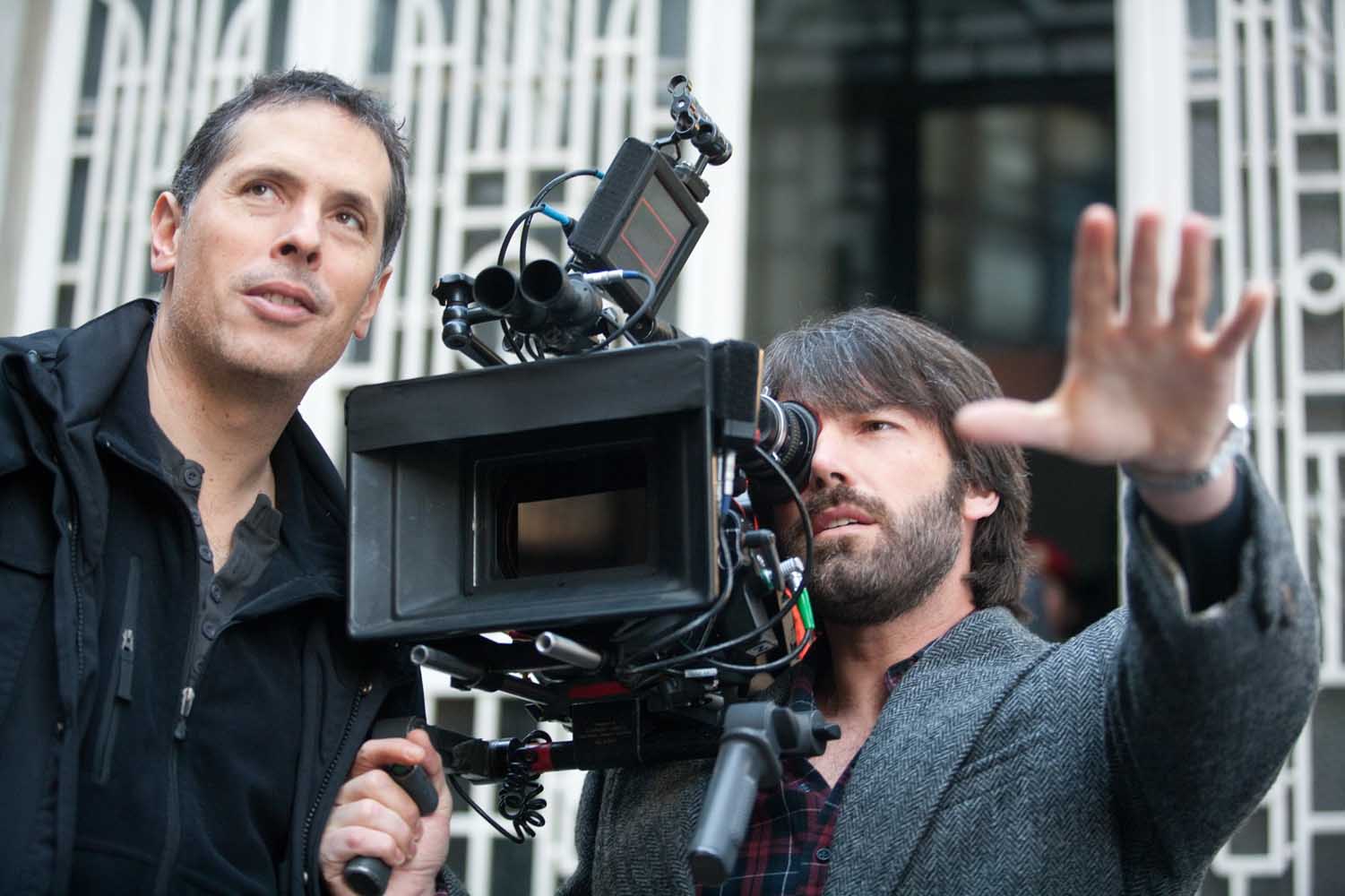
After many months of planning, the DP's job moves into production. The most essential thing the DP must do during this step of the process is to coordinate the crew while working closely with the director to make sure every scene and shot is set up to match the director's vision. If the director doesn't get what they want, may Hitchcock have mercy on your soul. Here's where the difficult stuff comes in. For each and every shot, the DP must decide on: the best combination of cameras (oh yeah, filters and lenses, too), the placement of the cameras, what the lighting should look like, AND when the best time would be to shoot. On particularly large films, the DP often oversees several cinematographers who supervise different camera set-ups. He often ALSO manages the photography budget, so the DP is kind of like a part-time production accountant.
Finally we come to postproduction (yeah right, we're not done yet). The first step of the third step of the three-step film production process begins with the DP working with the processing lab to make sure the film retains the color and the mood that he and the director were aiming for. If this part of the process gets screwed up, then a big chunk of all the hard work and planning goes right down the drain. The DP also reviews dailies as well as cuts of the film throughout the editing process. It's important for the DP to participate as a critical eye throughout postproduction.
Alongside the film director, the director of photography has some of the most creative control of the entire crew. They decide what we see and how we're going to see it. Often times, the DP is the person who makes a good film into a film that we'll never forget...
Or they can be the person who absolutely ruins it. Either way, they're really important.
Sunday, October 5, 2014
Publicizing for Dummies
Hello ladies and gentlemen. I know this early posting may come as a shock to you all, but this week's schedule is looking a bit random, so I figured I'd enlighten you all tonight! Don't worry, I'd never let anything get between us. Now you may be wondering, how would a series of blog posts become as famous as this? Well, aside from the beautifully written ideas that I've shared with the world, it's been completely due to my Publicist! Not really. But wouldn't you love to know more about publicity? Of course you would!

A production's publicist works alongside some very important people. Specifically, a publicist works closely with the executive producer, director, art director, and publicity designer. They work to promote and, well, publicize the film during every phase of production. From the beginning of preproduction to the end of postproduction, a publicist's job is definitely one of the most vital responsibilities that decides a film's success. If no one knows about it, no one goes to see it. It's as simple as that.
 In the simplest form, a publicists job is to advertise the film. This can manifest itself in posters, flyers,
and other promotional advertisements. One of the responsibilities of a publicist is to secure permission for and to supervise the placement of these advertisements. This can include anything from putting up posters in theaters around town to securing radio spots nationally. This is really the most obvious of a publicists responsibilities and it's probably the job that the public notices the most. They just don't usually know who's behind those flashy ads that convince them to see the movies.
The publicist also acts as a liaison with the press. They're to go-to-guy (or girl) when it comes to dealing with the press. It may not be particularly glamorous, but hey, someone's gotta do it. Who knows, the press may be kind of cool when you're not a famous person. Probably not, but maybe. The publicist additionally supervises the generation and distribution of press releases. I'm not totally sure how that's different from the first point in this paragraph, but it was two separate bullet points on this article I'm reading, so it's got to be its own substantial point. Right? Ah, who cares?
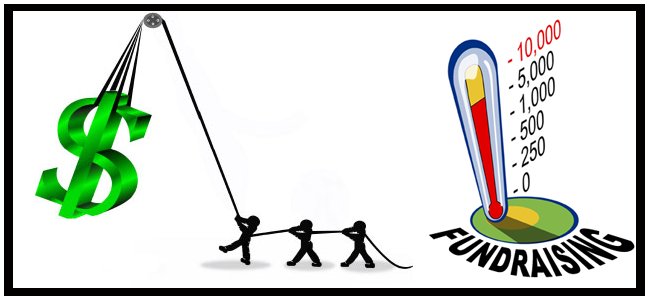
The last main responsibility of a film publicist is to assist in fundraising activities. This can involve crowd funding (such as IndieGoGo and GoFundMe) or outreach (begging rich people for money, but with class, of course). The publicist works with the executive producers in this step of their job. So basically they work with rich people to get more money from other rich people. It's actually a pretty ingenious setup if you think about it. It seems to work pretty well, at least.

Without publicists, there would be no films. Well, there would be films, but no one would go to see them, considering no one would know anything about them...or the fact that they exist. So they may as well not exist. That's what publicists are for! (Letting us know what's out there and why we "should" see it.)


and other promotional advertisements. One of the responsibilities of a publicist is to secure permission for and to supervise the placement of these advertisements. This can include anything from putting up posters in theaters around town to securing radio spots nationally. This is really the most obvious of a publicists responsibilities and it's probably the job that the public notices the most. They just don't usually know who's behind those flashy ads that convince them to see the movies.
The publicist also acts as a liaison with the press. They're to go-to-guy (or girl) when it comes to dealing with the press. It may not be particularly glamorous, but hey, someone's gotta do it. Who knows, the press may be kind of cool when you're not a famous person. Probably not, but maybe. The publicist additionally supervises the generation and distribution of press releases. I'm not totally sure how that's different from the first point in this paragraph, but it was two separate bullet points on this article I'm reading, so it's got to be its own substantial point. Right? Ah, who cares?
The last main responsibility of a film publicist is to assist in fundraising activities. This can involve crowd funding (such as IndieGoGo and GoFundMe) or outreach (begging rich people for money, but with class, of course). The publicist works with the executive producers in this step of their job. So basically they work with rich people to get more money from other rich people. It's actually a pretty ingenious setup if you think about it. It seems to work pretty well, at least.
Without publicists, there would be no films. Well, there would be films, but no one would go to see them, considering no one would know anything about them...or the fact that they exist. So they may as well not exist. That's what publicists are for! (Letting us know what's out there and why we "should" see it.)
Monday, September 15, 2014
Directing for Dummies
Welcome to the newest edition of "[insert random film crew position] for Dummies!" I'm you're host, Mike, and today we shall be delving into the world of the director. *Oooo ahhh* Now, I know what you're all thinking: "Duh! A director is the guy/girl that directs people!" You know what? You'd be correct in saying that. Go figure!
 I'm sure you all know the basics of a director's job. I'm here today, though, to try to teach you a little something that you may not have already known. Let's start from the beginning. Now, after a director is hired by producers for a project, the director must then work side-by-side with the producers to cast actors for the film. This can be an extremely long and tedious process, but it's one that simply must be done. Clearly. Without quality actors, you can't possibly dream to have a quality film. Well, I guess you could, but that's all it would be: a dream.
Next up on the list of things to do, the director has to organize and select shooting locations. Of course, the director has location scouts working for him to truly find the best locations for shooting, but he has creative control and authority as to which locations will appear in the film. At the same time, the director interprets--and sometimes even writes or selects--the script for the film. The director rarely ever writes the script himself, but if he's not hired by a production house to direct the film, the director will often go out and find a script he'd like to work with. The location selections are hugely dependent on the script and the way the director interprets it, so the two steps are pretty much synonymous.
 The director's next job is the last step before filming can begin. He must approve the sets, costumes, choreography (not present in most films), and music. These aspects of film are usually completely invisible to the untrained eye, or ear, because the only time most people will find them noticeable is when they are done incorrectly. If a film is set on a 1950s Japanese farm, and the actors are wearing tuxedos and sneakers with Kanye vaguely playing in the background, something went wrong...very, very wrong. It's the director's job to make sure mistakes like this never happen.
What else does the director do? Well I'm glad you asked! The rest of the director's work is pretty straight forward and most of you already know all of these things. But guess what! I'm going to tell you about it anyway! The director has a whole lot to do during production. The most obvious task is directing the actors. Whether it's explaining to actors how he wants them to portray their character in a given moment or if it's simply helping actors get into character, the director is the guy doing it. While doing this, the director also keeps the crew on track and makes sure everyone's doing what they need to be doing. Film shoots are generally tightly scheduled, so there's no time for excessive screw-ups and messing around. While doing this, the director also works with the cinematographers on shot composition and makes sure he likes what's in the frame.
Production is quite a daunting time for directors. They're basically the ringleaders for the wildest circuses on the planet. If they crack, the film is doomed to fail. The director must keep his cool so that everyone else does.
So now the film is shot. Yay! The only thing that's left for the director to do is work with the editors on creating first a rough cut and then a final cut of the film. The director gives his input throughout the process on what he thinks looks and feels better. Sometimes, this leads to reshoots of scenes or even cutting entire scenes from the film. But hey, who ever said directing was easy?
 I'm sure you all know the basics of a director's job. I'm here today, though, to try to teach you a little something that you may not have already known. Let's start from the beginning. Now, after a director is hired by producers for a project, the director must then work side-by-side with the producers to cast actors for the film. This can be an extremely long and tedious process, but it's one that simply must be done. Clearly. Without quality actors, you can't possibly dream to have a quality film. Well, I guess you could, but that's all it would be: a dream.
Next up on the list of things to do, the director has to organize and select shooting locations. Of course, the director has location scouts working for him to truly find the best locations for shooting, but he has creative control and authority as to which locations will appear in the film. At the same time, the director interprets--and sometimes even writes or selects--the script for the film. The director rarely ever writes the script himself, but if he's not hired by a production house to direct the film, the director will often go out and find a script he'd like to work with. The location selections are hugely dependent on the script and the way the director interprets it, so the two steps are pretty much synonymous.
 The director's next job is the last step before filming can begin. He must approve the sets, costumes, choreography (not present in most films), and music. These aspects of film are usually completely invisible to the untrained eye, or ear, because the only time most people will find them noticeable is when they are done incorrectly. If a film is set on a 1950s Japanese farm, and the actors are wearing tuxedos and sneakers with Kanye vaguely playing in the background, something went wrong...very, very wrong. It's the director's job to make sure mistakes like this never happen.
What else does the director do? Well I'm glad you asked! The rest of the director's work is pretty straight forward and most of you already know all of these things. But guess what! I'm going to tell you about it anyway! The director has a whole lot to do during production. The most obvious task is directing the actors. Whether it's explaining to actors how he wants them to portray their character in a given moment or if it's simply helping actors get into character, the director is the guy doing it. While doing this, the director also keeps the crew on track and makes sure everyone's doing what they need to be doing. Film shoots are generally tightly scheduled, so there's no time for excessive screw-ups and messing around. While doing this, the director also works with the cinematographers on shot composition and makes sure he likes what's in the frame.
Production is quite a daunting time for directors. They're basically the ringleaders for the wildest circuses on the planet. If they crack, the film is doomed to fail. The director must keep his cool so that everyone else does.
So now the film is shot. Yay! The only thing that's left for the director to do is work with the editors on creating first a rough cut and then a final cut of the film. The director gives his input throughout the process on what he thinks looks and feels better. Sometimes, this leads to reshoots of scenes or even cutting entire scenes from the film. But hey, who ever said directing was easy?
Thursday, September 11, 2014
Producing for Dummies
I'd like to state for the record that producing is not actually for dummies. Nor is this an attack on you, Diana. If anything, the dummy in this situation is me. I found myself sitting in my room this afternoon, and the question popped into my head: "What exactly do movie producers do?" So, I did my research and actually found that it's a whole lot more than what I originally thought.
A producer's job begins in preproduction. Psh, I knew that. What I didn't know is that the producer is the person who pretty much gets the project off the ground. First, he (or she, of course) needs to find material for his next project from either a script or a book. Then he needs to get a script in good enough shape to attract the attention of a possible director (and even a studio if a studio wasn't the one who started the project). After that, the producer's job in preproduction is pretty much done. HAH! Yeah, right.

Once the producer has a workable script and a choice of director, all he needs to do is secure financing for the film, choose a director and other members of the creative team, work with the director to cast actors, determine shooting locations and budget, decide on a cinematographer, hire the rest of the production team (including other producers), develop a shooting schedule, and create a detailed plan of action for the entirety of production. PHEW! That's one demanding job! Oh wait, the producer isn't even close to being done.
Time to begin shooting! Now it comes to the actual production; the fun part! Or at least it's fun for some people. Sorry, producer, you're on the clock. Production is when the producer offers creative suggestions to the director, handles any and all problems with the actors and creative staff, monitors the production timetable and budget, and reviews the film shot each day. Essentially, the producer has to watch over everything. If something goes wrong, the producer better find a solution, and fast.

And now it finally reaches postproduction, the time for most people to relax and wait to see what they've worked so hard on for so many months. Postproduction is really only horrible for the editors, sound, and special effects guys, right? Wrong. Believe it or not, the producer's job still isn't done. To begin the final step, the producer sits down with the director over a nice cup of tea and decides the order and selection of scenes that will appear in the final cut of the film. After that, he reviews each cut of the film until it's satisfactory. NOW all the producer's got to do is secure a distributor for the film and review the distributor's advertising campaign. After this, and only after this, is the producer's job finally complete.
Never before today did I truly appreciate the work of producers. I honestly believed they were just the piggybanks of the production team. I know it's difficult to believe, but I was wrong. Oh so wrong. Here's to you, producers!

A producer's job begins in preproduction. Psh, I knew that. What I didn't know is that the producer is the person who pretty much gets the project off the ground. First, he (or she, of course) needs to find material for his next project from either a script or a book. Then he needs to get a script in good enough shape to attract the attention of a possible director (and even a studio if a studio wasn't the one who started the project). After that, the producer's job in preproduction is pretty much done. HAH! Yeah, right.

Once the producer has a workable script and a choice of director, all he needs to do is secure financing for the film, choose a director and other members of the creative team, work with the director to cast actors, determine shooting locations and budget, decide on a cinematographer, hire the rest of the production team (including other producers), develop a shooting schedule, and create a detailed plan of action for the entirety of production. PHEW! That's one demanding job! Oh wait, the producer isn't even close to being done.
Time to begin shooting! Now it comes to the actual production; the fun part! Or at least it's fun for some people. Sorry, producer, you're on the clock. Production is when the producer offers creative suggestions to the director, handles any and all problems with the actors and creative staff, monitors the production timetable and budget, and reviews the film shot each day. Essentially, the producer has to watch over everything. If something goes wrong, the producer better find a solution, and fast.

And now it finally reaches postproduction, the time for most people to relax and wait to see what they've worked so hard on for so many months. Postproduction is really only horrible for the editors, sound, and special effects guys, right? Wrong. Believe it or not, the producer's job still isn't done. To begin the final step, the producer sits down with the director over a nice cup of tea and decides the order and selection of scenes that will appear in the final cut of the film. After that, he reviews each cut of the film until it's satisfactory. NOW all the producer's got to do is secure a distributor for the film and review the distributor's advertising campaign. After this, and only after this, is the producer's job finally complete.
Never before today did I truly appreciate the work of producers. I honestly believed they were just the piggybanks of the production team. I know it's difficult to believe, but I was wrong. Oh so wrong. Here's to you, producers!

Subscribe to:
Posts (Atom)