So I'm going to try and stay positive in this post since now we know, big brother is watching! By the way Hello, Big Brother! Weather's lovely here in Ithaca! Anyways, moving on.
I'd like to point out the qualities in people that I like to work with. Perhaps one day that can be useful to not only me, when it comes to hiring people but also in terms of who I am.
Adults: I love working with adults because they have things to do. They're always busy and hard to get as actors. They've always got something to do at 4pm and they can't do anything for you past then! I like this because it keeps me on track, I might have dedicated my whole week/weekend/day etc. to my shoot but they have lives too. This gets things done quickly for me and keeps me on track enough for me to also be an adult and get my own things done!
Good Friends: I love people who as soon as you call for help, they jump at the chance even if they live 2 hours away. I like working with friends as long as they're not distracting. I think it helps in their commitment if they know me more personally. I'm not just a director or a producer to them, I am Lucy, their friend.
Honest people: I like working with people who say they're going to show up at a certain time, and surprise! They do! They stay through the whole shoot, if they find themselves borred, they don't leave the shoot and go eat tocos with their friends they seek out someone on the shoot who looks like they're struggling and stressed and they ask them "Is there anything I can do."
Not emotionally attached: Never count on two people's relationship to last through your shoot. Even if they've been together for 12 years and your shoot is only three days out of their lives. I love the people who DONT bring in their emotional ties to the crew/set. When you can turn the sad face off and do what is asked of you, I'm in debt to you.
Talented people: This of course goes with out saying. I enjoy working with people who know what they're doing. However, it's not my first priority. I'm more intrigued by people who are honest and committed.
Reliable ones: I love the reliable ones. The one's who send you a Facebook message years after you worked with them saying, "Hey I found something you might be interested in doing, here's the information let me know if you need help with money!" and "Hey, I know you're cleaning houses on the side for money, someone came in to work the other day saying something about needing his rental home cleaned, I gave him your number, I hope that's ok!"
The brave ones: I like the people who show up to set to help and hang out with you after the shoot. You loose an actor last minute or you didn't have time to plan for back up, you ask your friend, "Would you be willing to step in as our bad guy?" and they say "Well, I'm not a very good actor but sure I'll try." It works especially well when they wind up being a genius bad guy!
Guerrilla filmmakers: I love guerrilla film makers in the sense that they're so eager to work! They love to just make films so instead of going through what we (really should) do, Pre-production, they just get up out of bed and they make a film! Even if it means they had to steal a few things from their job to make it.
Loyal people: I love the ones who drank all night long, got in a huge fight with their ex/boyfriend, got home at 4am, tried to sleep for a few hours, called you at 7am and asked you where the location is and an hour later they show up to the shoot dressed in their finest, not emotionally derailed, there on time and ready to work.
Non-credited, don't care: I try to make sure everyone that works with me is credited. However, I love the ones who you ask to be your DP and if we can use their brand new camera on set and even though they're the producer of another set that's shooting that day, they say "heck yes"! Sorry I couldn't give them class credit for the project, but they got money out of it for winning the film festival.
Cry on demand: I've worked with a couple of people who know how to cry on demand. It's truly incredible especially when everyone around them is laughing and goofing off like fools. As you're reading this tell me if you can cry on demand! It's hard right?! I give them props...sometimes literally! *Pun intended*
Make up!: I love make up artist. It may take a long time to get them to get things done but when you can give them the time, their work is phenomenal! The same can be said if they're a set decorator or many other film spots!
Sorry I can't be there: I like it when people I have assigned as extras actually call me in a timely mannor and tell me they can't be there instead of just not showing up. Then when I ask them again the next time if they would be available for another shoot, they say " I owe you one, I'll be there!"
Home owners: I love working with home owners who let you borrow their whole house, let you move all their stuff into one tiny room and sleep on the couch with their dog while you finish up production. In fact they help you move all their stuff into that tiny room. Then they go out side and smoke with your producer! People like that should win nobel prizes!
Got to work at 10 am, no problem: I like when a main actress/or finds out the shoot was not on the day they thought it was and even though they have to work 10 minutes after the shoot, they don't bail on you they get there on time and I wrap them early!
The ones who want to work with you!: I like the folks who will come up to you one day and say "Lets work together on the final project!" It may not be realistic but hey that's awesome they WANT to work with YOU! I'm flattered.
Sympathetic people: When you're a surprise stand in on set and you're going to be covered in fake puke, the make up artist makes sure you're comfortable and that your shirt doesn't get wet. It's always good to keep your people happy!
The Chillest: The assistant directors that you come up to the day before the shoot and say "Ok, so here's the news: Our set designer quit, our location house burnt down, our props master threw out all the props, we have no audio." and they say calmly "Alright! Cool! We'll figure it out. No worries, man!" Such a joy!
People with Kids: Oh boy so your writer changed his mind at the last minute, He wants the kid playing on the floor watching tv while his mom's cheating on her husband on the couch! Great where are we going to find a kid!!!!???? You're lighting intern says "I could bring my 2 year old daughter she'd love it, oh and I'll bring the toys too!"
Sound people: They're one of a kind. I can't hear what they hear and it was so hard to find a good one! Especially one who isn't taken already! Good sound is hard to find!
The rays of sunshine: So everyone's ticked cause it's 30 degrees and we ran out of hand warmers 3 hours ago. Your actress says, "Hey everyone, there's a bright side!" and all of us laugh! I'm glad those people exist.
Inventive: I love the people who can make things happen when there's no budget. The set decorator who figures out how to make police riot shields out of tote box tops, gaffers tape, mailbox letters, a saw, sand paper, and a door handle on the back!
The big ones: The producers with big intense scary looking faces with folded arms and a can-do atitude. Low and behold he's holding a rubber duckling!
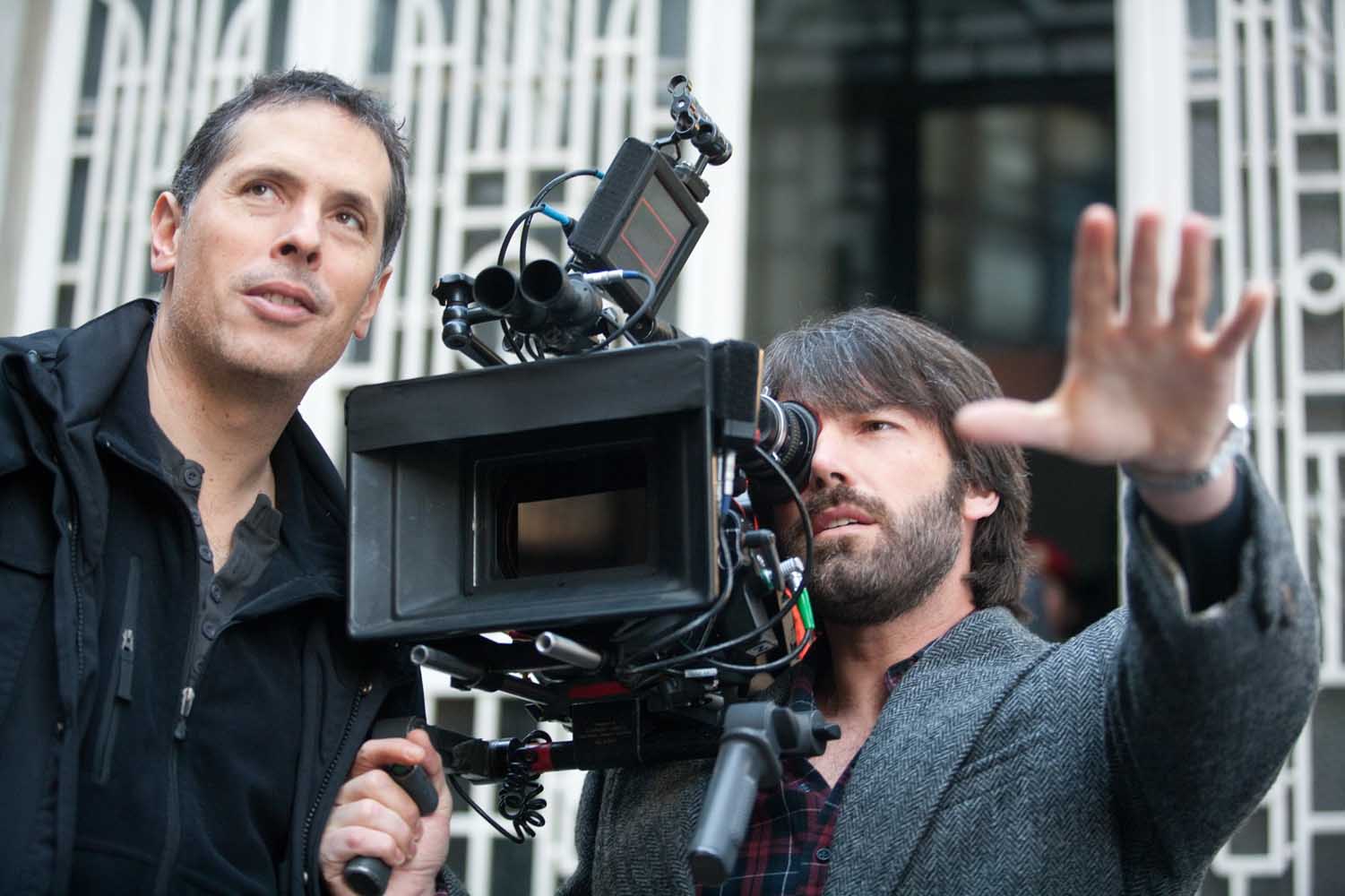
The DP: Sure (s)he's always cranky and maybe his/her but crack hangs out but (s)he's the best one for the job, no one can beat him/her and (s)he's there!! Just don't stand in his light or way!
To be honest I could go on and on. I sometimes wonder what if I was in charge of hiring people? Would I be good enough? I probably wouldn't hire them based on their looks or any other physical boundary but by their experience and their personality. I'd probably hire my friends and people who I'm told by reasonable sources that they're the best! I'd give anyone a chance! But only if they know they're quite replaceable!
This is why we don't burn bridges, because when you burn one bridge you burn a lot of them. For every student, intern, kraft services person, lower ranked person on your set, that you don't keep happy, you're got an army of people behind them who wont come asking you for a job. On the oposite side of the spectrum, for every employer in the industry (even if they're just a friend or group member in film school) you've got a sea of people in front and behind them who will take their word for it, you are or you're not cut out for the job. I'll take a good lesson in the people I've worked with, and try to reflect those qualities in me as they were in them. The same can be said for the one's I fired or never worked with again. I can learn from their mistakes, not just my own.
I happen to know the consequences of my actions, and I hope that they will only make things better in my future! I'm thankful that no matter the circumstances, I will always own up to my mistakes and never blame someone else for my problems or force people to help me. I am human and even if I lose my job because I've made a mistake, I will always find another one. This I've learned from working with so many people, especially my old school where we had a lot of people who had lost their jobs, they didn't just give up. Besides, who wants to work with a company that threatens your job for silly human errors that really wont effect the system that much. Always know your priorities. What's more important to you, your job or your career, your play time or your future, your family or your employer, your heart or your paycheck, your career or your life? Think about it!
Have a nice day, enjoy the weather while it lasts!
-Lucy Lynne' Hall
 Obviously, we start with preproduction. Duh. The DP begins his/her job with discussing the director's vision for the overall film as well as scene by scene. Based on what the director is looking for, the DP determines what exactly is needed for each scene, and, following that, hires a camera crew and organizes and purchases any equipment and supplies that will be needed. When deciding what's needed for each scene, the DP works with many other departments--including sound and lighting--to coordinate production needs. In summary, the DP uses his preproduction time very wisely. He pretty much plans out every shot and gets any and all the tools he'll need to acquire these shots.